Yoga

0 (No Review)
Peaceful Environment
From: ₹0
0
(0 review)
Inquiry
Duration

Cancellation

No Cancel

Group Size

Unlimited

Languages

___

About this activity

Serenity in Motion: Yoga and Calm Moments

Yoga is an ancient practice that originated in India over 5,000 years ago. The word “yoga” comes from the Sanskrit word “yuj,” meaning to unite or join, symbolizing the union of body, mind, and spirit.

Historical Timeline

  • Vedic Period (1500-500 BCE): Early mentions in ancient texts
  • Classical Period (200 BCE): Patanjali’s Yoga Sutras codified yoga philosophy
  • Medieval Period: Development of Hatha Yoga
  • Modern Era: Global spread and scientific recognition of yoga’s benefits

It may also help manage pain and reduce stress. Various styles of yoga combine physical postures, breathing techniques, and meditation.

The six branches are:

  • Hatha yoga: This is the physical and mental branch that aims to prime the body and mind.
  • Raja yoga: This branch involves meditation and strict adherence to a series of disciplinary steps known as the eight limbs of yoga.
  • Karma yoga: This is a path of service that aims to create a future free from negativity and selfishness.
  • Bhakti yoga: This aims to establish the path of devotion, a positive way to channel emotions and cultivate acceptance and tolerance.
  • Jnana yoga: This branch of yoga is about wisdom, the path of the scholar, and developing the intellect through study.
  • Tantra yoga: This is the pathway of ritual, ceremony, or consummation of a relationship.

Comprehensive Yoga Types Guide with Detailed Processes

1. Hatha Yoga

Step-by-Step Process

  1. Begin with basic posture alignment
  2. Start with breathing awareness
  3. Practice fundamental poses:
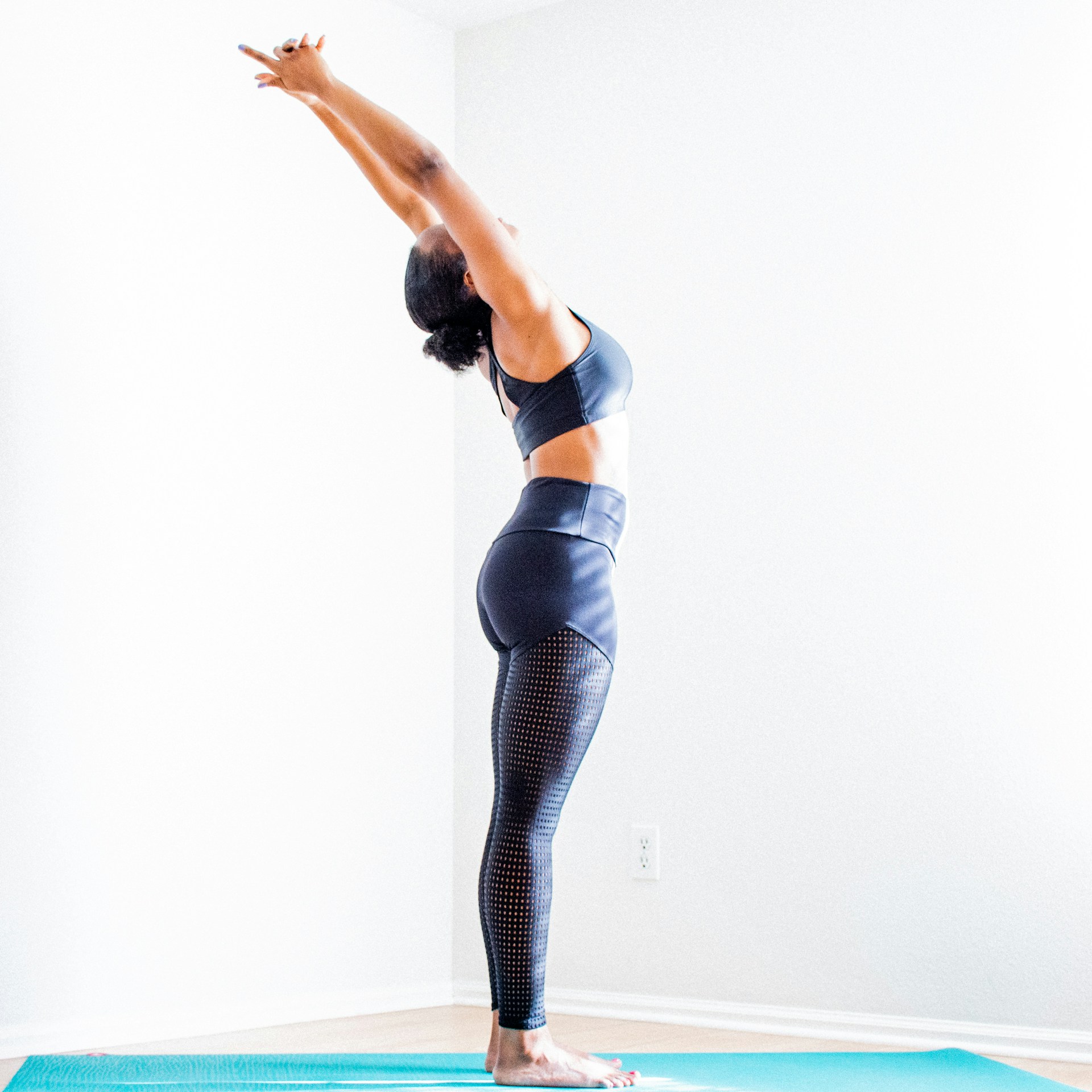
    • Mountain Pose (Tadasana)
    • Child’s Pose (Balasana)
    • Cat-Cow Stretch
  4. Hold each pose for 30-60 seconds
  5. Focus on steady, deep breathing
  6. End with relaxation (Savasana)

Ideal For

  • Beginners
  • Those seeking gentle introduction
  • Stress relief
  • Improving flexibility

2. Vinyasa Yoga

Step-by-Step Flow

  1. Start with Sun Salutations
  2. Connect breath with movement
  3. Transition between poses smoothly
  4. Practice sequence:
    • Downward Dog
    • Plank
    • Chaturanga
    • Upward Dog
  5. Maintain continuous, rhythmic breathing
  6. Cool down with gentle stretches

Benefits

  • Builds strength
  • Improves cardiovascular fitness
  • Enhances flexibility
  • Develops body awareness

3. Ashtanga Yoga

Structured Approach

  1. Begin with opening mantra
  2. Practice Primary Series systematically
  3. Follow strict sequence of postures
  4. Key components:
    • Breath synchronization
    • Specific dristi (gaze points)
    • Bandha (energy locks)
  5. Practice six days a week
  6. Consistent, disciplined practice

Characteristics

  • Physically demanding
  • Builds internal heat
  • Detoxifies body
  • Increases strength and flexibility

4. Kundalini Yoga

Holistic Process

  1. Start with tuning in (chanting)
  2. Warm-up exercises
  3. Kriya (specific set of exercises)
  4. Meditation techniques
  5. Breathing exercises
  6. Chanting and sound healing
  7. Close with relaxation

Focus Areas

  • Spiritual awakening
  • Energy release
  • Emotional healing
  • Expanding consciousness

5. Yin Yoga

Slow-Paced Method

  1. Choose passive, floor-based poses
  2. Hold poses for 3-5 minutes
  3. Use props for support
  4. Focus on deep tissue stretching
  5. Practice mindful breathing
  6. Cultivate inner stillness
  7. End with extended relaxation

Benefits

  • Increases flexibility
  • Reduces stress
  • Improves joint mobility
  • Enhances meditation practice

6. Restorative Yoga

Relaxation Process

  1. Use multiple props
  2. Create completely supported poses
  3. Hold positions for 10-20 minutes
  4. Use blankets, bolsters, blocks
  5. Focus on complete relaxation
  6. Practice deep, slow breathing
  7. Cultivate meditative state

Ideal For

  • Stress recovery
  • Healing
  • Deep relaxation
  • Emotional balance

7. Power Yoga

Dynamic Approach

  1. Warm-up with Sun Salutations
  2. Build heat through continuous movement
  3. Practice strength-building poses
  4. Maintain high-intensity sequence
  5. Focus on core engagement
  6. Incorporate challenging transitions
  7. Cool down with gentle stretches

Benefits

  • Builds muscular strength
  • Improves cardiovascular fitness
  • Enhances body flexibility
  • Boosts metabolism

8. Bikram Yoga

Hot Yoga Method

  1. Practice in heated room (104°F)
  2. Follow 26 specific postures
  3. Perform 2 breathing exercises
  4. Stay hydrated
  5. Wear minimal, moisture-wicking clothing
  6. Maintain consistent breathing
  7. Cool down gradually

Unique Aspects

  • Detoxification
  • Increased flexibility
  • Cardiovascular conditioning

9. Iyengar Yoga

Alignment-Focused Process

  1. Use props extensively
  2. Focus on precise body alignment
  3. Hold poses for longer duration
  4. Break down complex poses
  5. Use wall support
  6. Modify poses for individual needs
  7. Emphasize anatomical precision

Benefits

  • Improves posture
  • Builds body awareness
  • Helps with injury rehabilitation

General Yoga Practice Guidelines

  • Start slowly
  • Listen to your body
  • Breathe consistently
  • Stay hydrated
  • Practice regularly
  • Be patient with yourself
  • Seek professional guidance

Safety Tips

  • Consult healthcare provider
  • Start with beginner classes
  • Use proper equipment
  • Modify poses as needed
  • Avoid comparing yourself to others

योग अभ्यास: चरण-दर चरण मार्गदर्शिका

1. सूर्य नमस्कार (सूर्य नमस्कार)

चरण:

  1. पैरों को एक साथ खड़े होकर वजन समान रूप से वितरित करें
  2. सांस लें और हाथों को सिर के ऊपर उठाएं
  3. सांस छोड़ें और आगे झुकें, जमीन को छुएं
  4. पीछे की ओर प्लैंक स्थिति में आएं
  5. शरीर को जमीन पर नीचे लाएं (चतुरंग)
  6. सांप मुद्रा (कोबरा) में छाती को उठाएं
  7. नीचे मुख कुत्ते की मुद्रा में पीछे धकेलें
  8. हाथों के बीच में पैर आगे लाएं
  9. हाथों को सिर के ऊपर उठाते हुए ऊपर उठें
  10. खड़े होने की स्थिति में वापस आएं

2. त्राटक (मोमबत्ती ध्यान)

चरण:

  1. एक आरामदायक ध्यान मुद्रा में बैठें
  2. मोमबत्ती को आंखों के स्तर पर, 2-3 फीट की दूरी पर रखें
  3. सीधी रीढ़ के साथ बैठें
  4. लौ के शिखर पर अपनी नज़र केंद्रित करें
  5. आंखें खुली रखें और न झपकाएं
  6. बिना हिले हुए लौ को देखें
  7. अगर आंखें भर आएं, तो धीरे से झपकें
  8. 5-10 मिनट तक अभ्यास करें
  9. आंखें बंद करें और लौ की कल्पना करें
  10. धीरे-धीरे सामान्य जागरूकता में वापस आएं

3. पवनमुक्तासन (हवा मुक्ति मुद्रा)

चरण:

  1. पीठ के बल सीधे लेट जाएं
  2. दाहिने घुटने को छाती की ओर मोड़ें
  3. दोनों हाथों से घुटने को पकड़ें
  4. निचली पीठ को फर्श पर दबाएं
  5. बाएं पैर को सीधा रखें
  6. 30-60 सेकंड तक स्थिति को बनाए रखें
  7. गहरी और धीमी सांस लें
  8. दाहिने पैर को छोड़ दें
  9. बाएं पैर के साथ दोहराएं
  10. अंत में, दोनों घुटनों को छाती पर लाएं

4. बालासन (शिशु मुद्रा)

चरण:

  1. घुटनों के बल फर्श पर बैठें
  2. पैरों को एक साथ रखें
  3. अपने नितंबों को एड़ियों पर रखें
  4. शरीर को आगे की ओर झुकाएं
  5. माथे को जमीन पर टिकाएं
  6. हाथों को शरीर के साथ या आगे की ओर फैलाएं
  7. गहरी और धीमी सांस लें
  8. 1-3 मिनट तक इस स्थिति में रहें
  9. धीरे-धीरे मूल स्थिति में वापस आएं
  10. आराम से बैठ जाएं

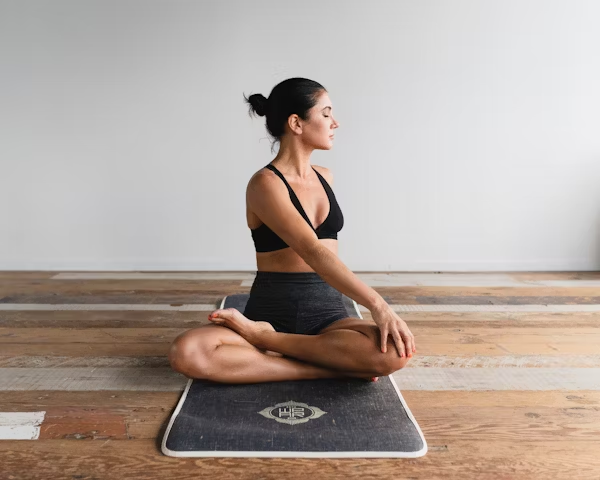
5. अर्ध मत्स्येंद्रासन (आधा मत्स्य मुद्रा)

चरण:

  1. सीधे बैठें
  2. दाहिने पैर को बाएं पैर के ऊपर मोड़ें
  3. बाएं हाथ को दाहिने घुटने के पीछे रखें
  4. दाहिने हाथ से पीछे की ओर सहारा लें
  5. सिर और ऊपरी शरीर को दाहिनी ओर मोड़ें
  6. पीठ को सीधा रखें
  7. 30-60 सेकंड तक स्थिति को बनाए रखें
  8. धीरे-धीरे मूल स्थिति में वापस आएं
  9. दूसरी तरफ भी दोहराएं
  10. आराम से सांस लें

6. सेतु बंधासन (पुल मुद्रा)

चरण:

  1. पीठ के बल सीधे लेट जाएं
  2. पैरों को घुटनों से मोड़ें
  3. पैरों को कूल्हों की चौड़ाई पर रखें
  4. हाथों को शरीर के साथ जमीन पर रखें
  5. धीरे-धीरे नितंबों को ऊपर उठाएं
  6. छाती को ऊपर की ओर धकेलें
  7. 30-60 सेकंड तक स्थिति को बनाए रखें
  8. धीरे-धीरे नितंब को नीचे लाएं
  9. आराम से सांस लें
  10. मूल स्थिति में वापस आएं

7. शवासन (मृत शरीर मुद्रा)

चरण:

  1. पीठ के बल सीधे लेट जाएं
  2. पैरों को थोड़ा फैलाएं
  3. हाथों को शरीर के साथ आराम से रखें
  4. हथेलियां ऊपर की ओर रखें
  5. आंखें बंद करें
  6. पूरे शरीर को आराम दें
  7. गहरी और धीमी सांस लें
  8. किसी भी तनाव को छोड़ दें
  9. 5-15 मिनट तक इस स्थिति में रहें
  10. धीरे-धीरे जागरूकता में वापस आएं

8. गरुड़ासन (ईगल मुद्रा)

चरण:

  1. सीधे खड़े हों
  2. एक पैर को मोड़ें
  3. दूसरे पैर को मोड़े हुए पैर के आगे लपेटें
  4. हाथों को भी एक-दूसरे के सामने मोड़ें
  5. संतुलन बनाए रखें
  6. एक स्थान पर स्थिर रहें
  7. 20-30 सेकंड तक स्थिति को बनाए रखें
  8. धीरे-धीरे हाथ और पैर को खोलें
  9. दूसरी तरफ भी दोहराएं
  10. आराम से सांस लें

9. अर्ध चक्रासन (अर्ध पहिया मुद्रा)

चरण:

  1. बैठ कर अपने पैरों को सीधा रखें
  2. दाएं पैर को मोड़ें
  3. दाएं पैर को बाएं जांघ के बाहर रखें
  4. बाएं हाथ को दाएं घुटने के पीछे रखें
  5. दाएं हाथ को पीछे की ओर रखें
  6. सिर और ऊपरी शरीर को दाईं ओर मोड़ें
  7. पीठ को सीधा रखें
  8. 30-60 सेकंड तक स्थिति को बनाए रखें
  9. धीरे-धीरे मूल स्थिति में वापस आएं
  10. दूसरी तरफ भी दोहराएं

10. विक्रासन (योगी मुद्रा)

चरण:

  1. घुटनों के बल बैठें
  2. एड़ियों को नितंबों के पास रखें
  3. पैरों को एक साथ रखें
  4. सीधी रीढ़ रखें
  5. हाथों को घुटनों पर रखें
  6. आंखें बंद करें
  7. गहरी और धीमी सांस लें
  8. ध्यान केंद्रित करें
  9. 2-5 मिनट तक इस स्थिति में रहें
  10. धीरे-धीरे सामान्य स्थिति में वापस आएं
Sponsored

Activity's Location

Peaceful Environment
From: ₹0
0 (No Review)


    Owner

    info@thesafarbuddy.com

    Member Since 2025

    Information Contact

    Website

    thesafarbuddy.com